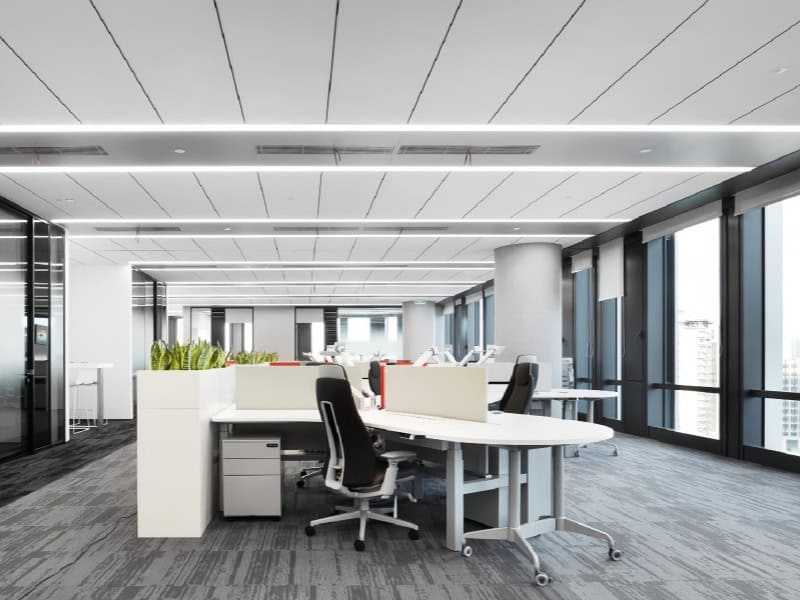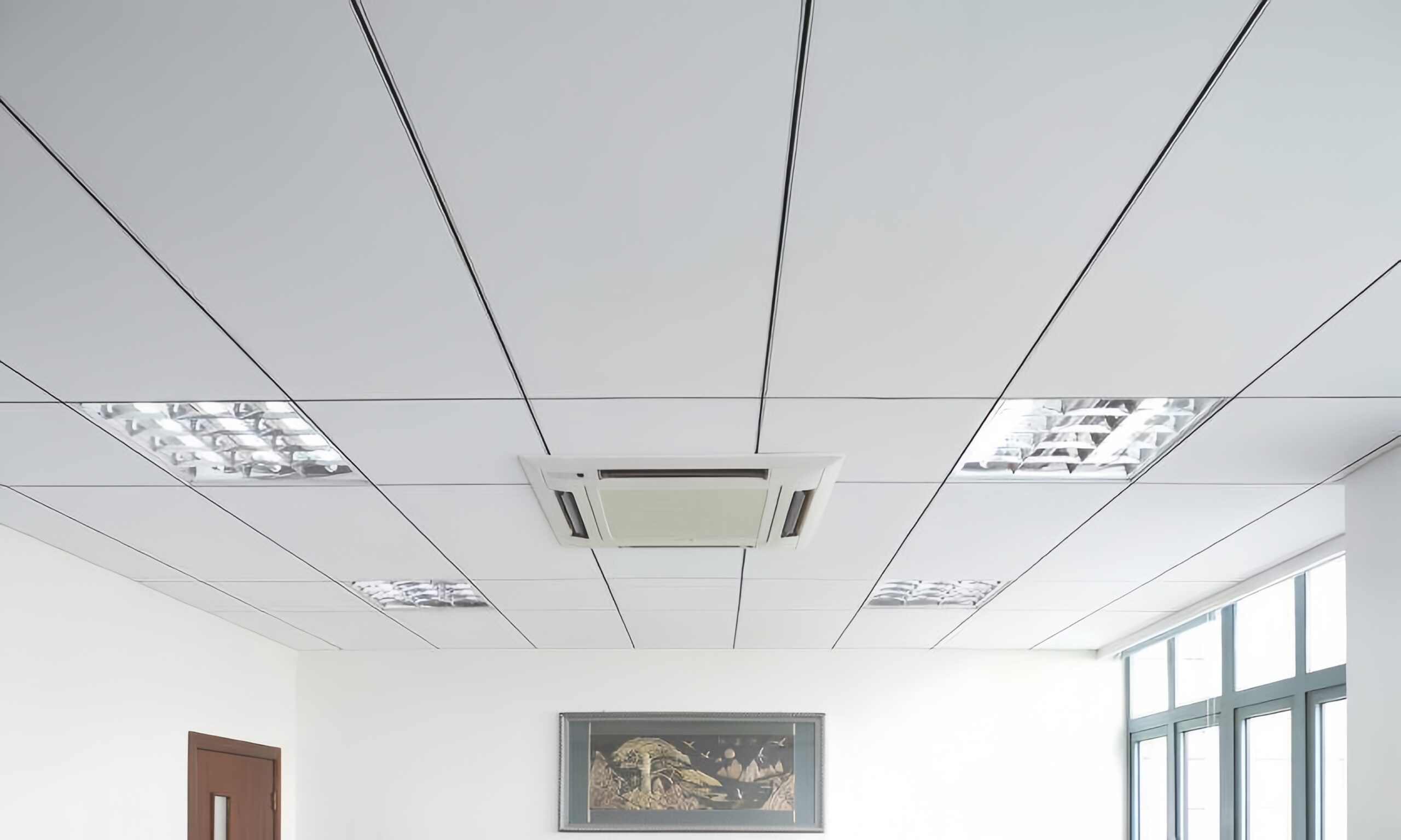




When it comes to renovating or designing a commercial or residential space, the ceiling is often an overlooked element—but it’s one that can make or break the overall look, functionality, and comfort of your area. Suspended ceilings, also known as drop ceilings or T-bar ceilings, with fiberglass and rock wool as the main materials, have emerged as a popular choice for both homeowners and business owners alike, thanks to their unique combination of practicality, versatility, and visual appeal.
What Are Suspended Ceilings?
A suspended ceiling is a secondary ceiling system hung below the main structural ceiling (known as the “plenum”) using adjustable hangers and a lightweight metal grid. Ceiling tiles made of fiberglass, rock wool, or custom panels based on these materials are then placed into this grid, creating a smooth, finished surface that covers the area above. Unlike traditional gypsum board ceilings, which are attached directly to the structural framing, suspended ceilings create a gap between the two layers—this gap is what makes them so functional, as it provides easy access to hidden utilities like HVAC ducts, electrical wiring, and fire-suppression systems.
Over the years, suspended ceilings have evolved, with fiberglass and rock wool becoming the most widely used core materials. Today, they’re available in a wide range of finishes based on these two materials, catering to diverse design styles—from minimalist modern to luxurious and elegant. Fiberglass and rock wool suspended ceilings have excellent inherent properties, making them suitable for a variety of spaces, from offices and hospitals to retail stores and residential basements.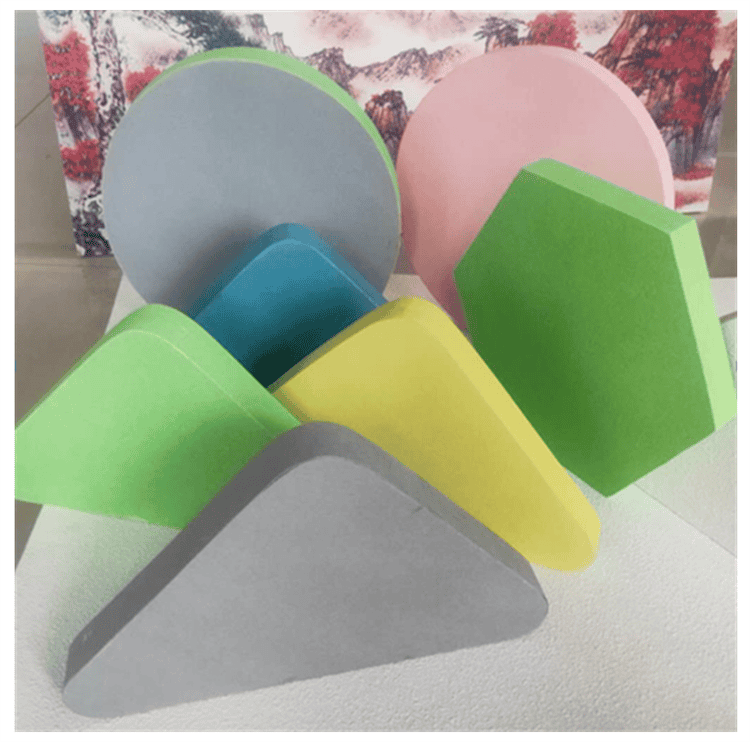
Key Benefits of Choosing Suspended Ceilings
Why should you opt for fiberglass and rock wool suspended ceilings over other ceiling types? Here are the top reasons that make them a standout choice for any space, leveraging the unique advantages of their core materials:
Easy Access to Utilities
One of the biggest advantages of suspended ceilings is their accessibility. Unlike traditional ceilings, which require cutting into the drywall to access pipes, wires, or ducts—often causing damage and requiring repairs—fiberglass and rock wool suspended ceiling tiles can be easily removed and replaced without any permanent damage. This makes maintenance, repairs, or upgrades to your utilities quick and hassle-free, saving you time and money in the long run.
Superior Acoustic Performance
Noise pollution can be a major issue in open spaces, offices, schools, or even busy homes. Fiberglass and rock wool are naturally excellent sound-absorbing materials, so suspended ceiling tiles made of them—often with optimized structures like perforated surfaces—can effectively absorb sound waves and reduce reverberation. This helps create a quieter, more peaceful environment—improving focus in offices, enhancing learning in classrooms, and promoting relaxation in residential spaces. Fiberglass and rock wool ceiling tiles can achieve impressive Noise Reduction Coefficient (NRC) ratings, making them ideal for spaces where sound clarity is critical, such as hospitals or conference rooms.
Enhanced Aesthetics and Versatility
Gone are the days when suspended ceilings were considered “basic” or “industrial.” Today, fiberglass and rock wool suspended ceilings come in a vast array of styles, colors, textures, and sizes to complement any interior design. Whether you want a smooth, seamless look, a textured finish, or a custom design that makes a statement, there’s a fiberglass or rock wool suspended ceiling option for you. You can even mix and match tile types or add decorative elements like LED strip lights to create unique lighting effects and enhance the overall ambiance of your space. Additionally, they can hide unsightly structural elements, exposed pipes, or old ceiling damage—giving your space a clean, polished look instantly。
Improved Energy Efficiency
Fiberglass and rock wool suspended ceilings can help improve the energy efficiency of your space by virtue of their excellent thermal insulation properties. The gap between the suspended ceiling and the main structural ceiling, combined with the insulation of fiberglass and rock wool tiles, acts as a strong thermal barrier, reducing heat loss in the winter and heat gain in the summer. This can lower your heating and cooling costs, making your space more environmentally friendly and cost-effective. Compared with other materials, fiberglass and rock wool ceiling tiles have more outstanding insulation performance, further enhancing energy savings.
Fire and Moisture Resistance
Safety is a top priority for any space, and fiberglass and rock wool suspended ceilings deliver excellently in this area. Both fiberglass and rock wool are inherently fire-resistant materials, so suspended ceiling tiles made of them (especially fire-rated ones) can effectively slow the spread of fire and smoke, providing valuable time for evacuation in case of an emergency. Additionally, moisture-resistant fiberglass and rock wool ceiling tiles—treated with special waterproof coatings—are available for high-humidity areas such as bathrooms, kitchens, or basements, preventing mold growth and water damage over time.
Ideal Applications for Suspended Ceilings
Fiberglass and rock wool suspended ceilings are incredibly versatile, thanks to their excellent comprehensive properties, and can be used in almost any space, both commercial and residential. Here are some of the most common applications:
- Commercial Spaces: Offices, retail stores, restaurants, hotels, hospitals, data centers, and airports all benefit from fiberglass and rock wool suspended ceilings. They offer easy access to utilities, their excellent acoustic and thermal insulation properties improve comfort for customers and employees, and they can be customized to match brand aesthetics. For example, hotels can use elegant finished rock wool panels in lobbies to create an inviting atmosphere, while hospitals can leverage fiberglass acoustic tiles to support a quieter, healing environment.
- Residential Spaces: Basements, kitchens, bathrooms, living rooms, and bedrooms are perfect for fiberglass and rock wool suspended ceilings. In basements, they can hide exposed pipes and ducts while providing excellent insulation and moisture resistance. In kitchens and bathrooms, moisture-resistant fiberglass and rock wool tiles prevent mold and water damage. In living rooms and bedrooms, they can be used to add style, enhance lighting options (such as recessed lighting or LED strips), and create a quiet living environment.
- Educational Spaces: Schools, colleges, and universities often use fiberglass and rock wool suspended ceilings in classrooms, auditoriums, and libraries. Their excellent acoustic properties help reduce noise, making it easier for students to focus and learn, their thermal insulation performance improves the comfort of the space, and the easy access to utilities simplifies maintenance and upgrades.
Final Thoughts
Fiberglass and rock wool suspended ceilings are more than just a practical solution—they’re a versatile design element that combines functionality with style, leveraging the excellent properties of their core materials. Whether you’re renovating a commercial office, upgrading your home’s basement, or designing a new retail store, fiberglass and rock wool suspended ceilings offer a range of benefits—easy maintenance, superior acoustics, excellent thermal insulation, fire and moisture resistance, and customizability—that make them a smart, long-lasting choice for modern spaces.